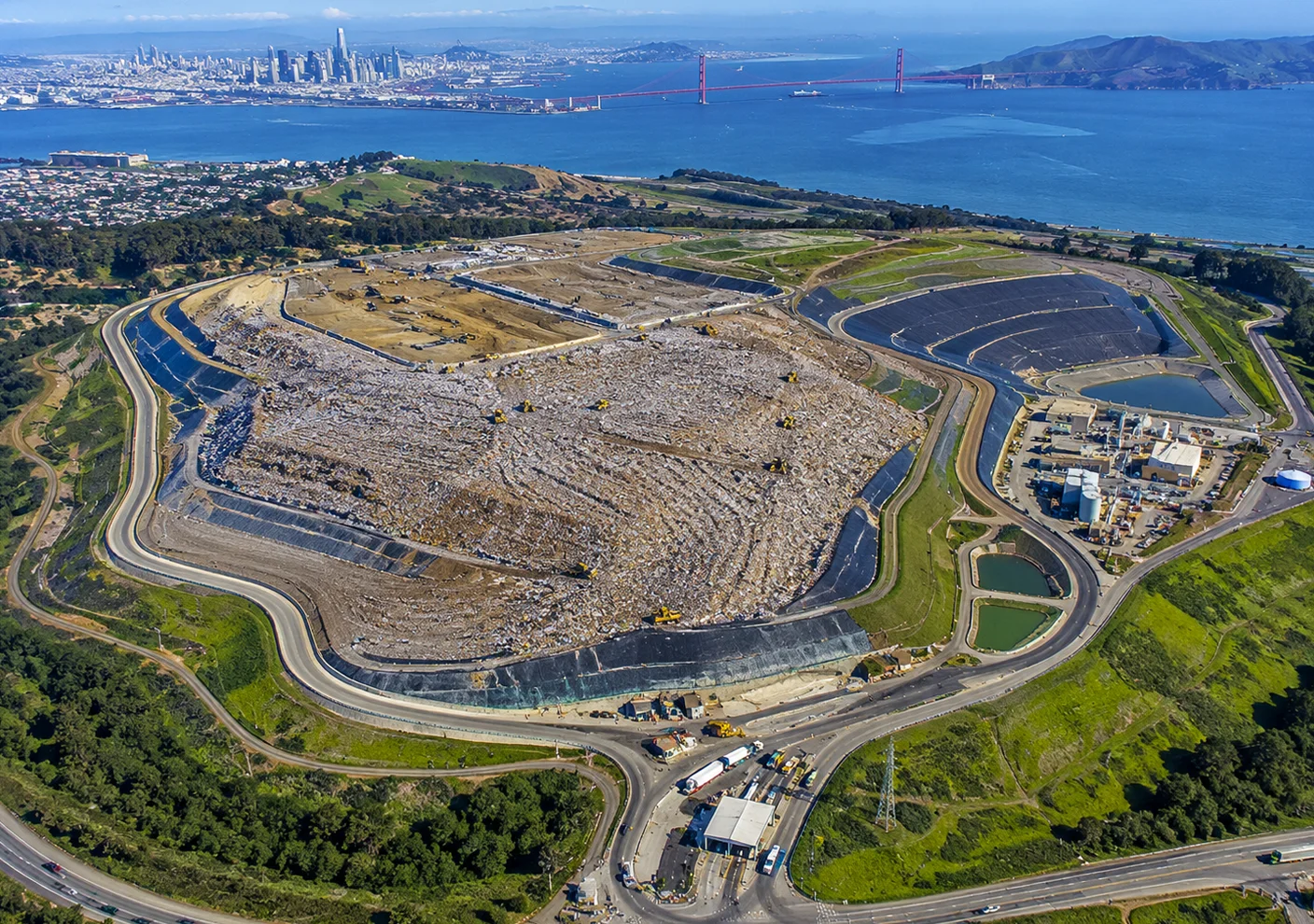
For decades, landfills have been considered the simplest solution for managing waste. However, what many property owners, asset managers, and business operators are discovering today is that landfill disposal carries environmental, operational, and financial consequences that can no longer be ignored.
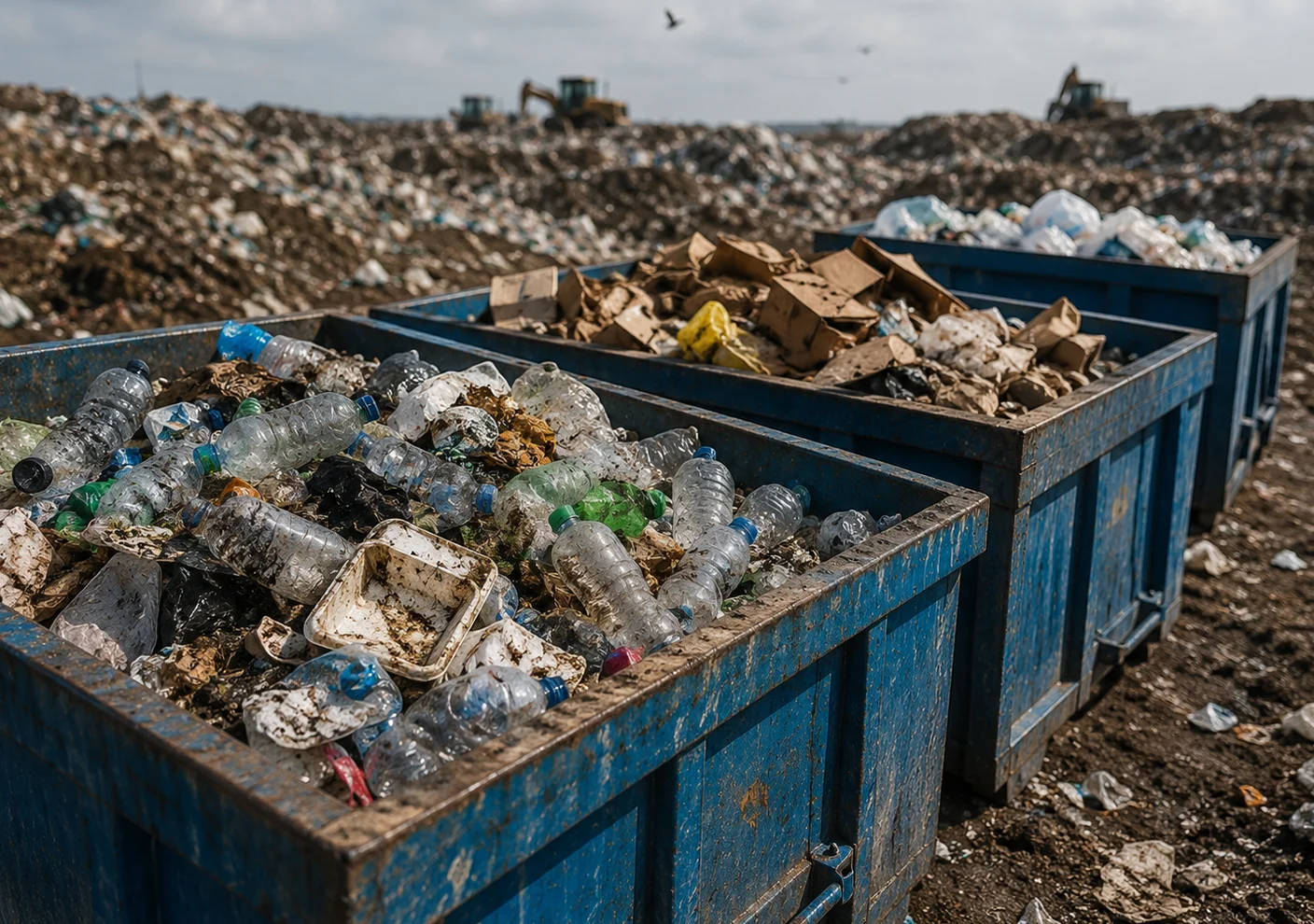
Organic materials such as food scraps, landscape debris, paper products, and other compostable waste generate methane when they decompose in landfills. Methane is recognized as one of the most powerful greenhouse gases, trapping significantly more heat than carbon dioxide over time. According to the U.S. Environmental Protection Agency (EPA), municipal solid waste landfills remain one of the largest human-related sources of methane emissions in the United States, with food waste alone responsible for a substantial portion of those emissions. Recent studies also indicate that landfill methane emissions may be considerably higher than previously estimated, highlighting the urgency of improving waste diversion efforts.
For commercial properties, multifamily communities, HOAs, retail centers, and industrial facilities, reducing landfill waste is no longer simply an environmental initiative. It has become a business responsibility tied directly to regulatory compliance, tenant satisfaction, operational efficiency, and long-term asset value.
Why Businesses Are Being Asked to Do More
California has positioned itself as a national leader in waste reduction and climate action through legislation such as SB 1383. The law was specifically designed to reduce organic waste disposal and decrease methane emissions generated by landfills. State agencies estimate that organic materials account for approximately half of the waste currently sent to California landfills, making waste diversion one of the most effective strategies available for reducing greenhouse gas emissions.
The regulation establishes ambitious statewide goals, including a 75% reduction in organic waste disposal compared to 2014 levels and increased recovery of edible food that would otherwise be discarded. These requirements affect residential communities, commercial businesses, multifamily properties, educational institutions, and many other sectors throughout the state.
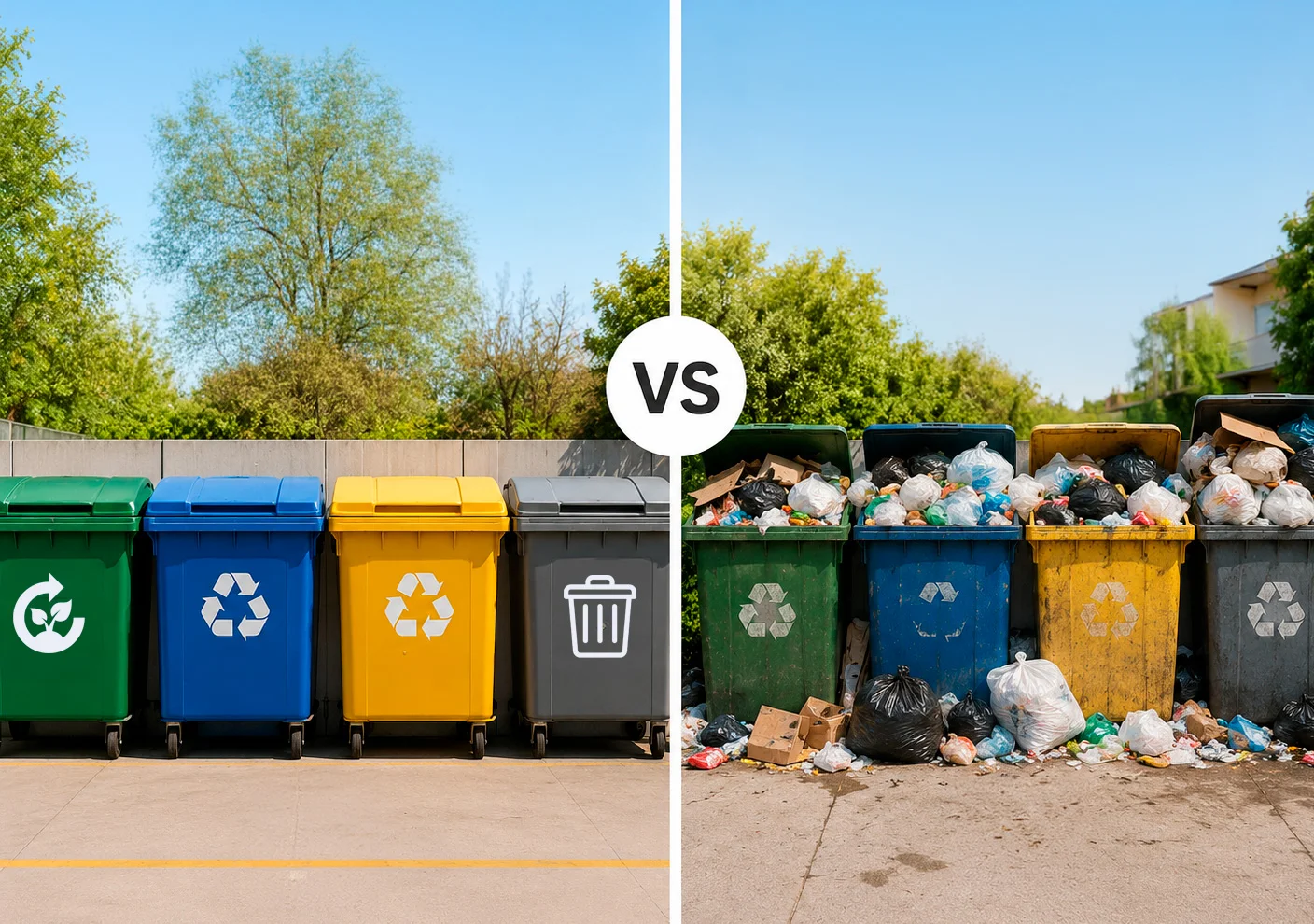
For property managers, this means that waste management is no longer a passive service handled solely by haulers. Successful compliance requires active participation, tenant education, contamination monitoring, infrastructure planning, and ongoing operational oversight. Communities that fail to implement effective diversion programs often face recurring challenges such as overflowing containers, contamination issues, odor complaints, pest activity, and increased operational costs.
Beyond Compliance: The Business Benefits of Waste Diversion
While regulations often serve as the initial motivation, the advantages of reducing landfill waste extend far beyond compliance requirements.
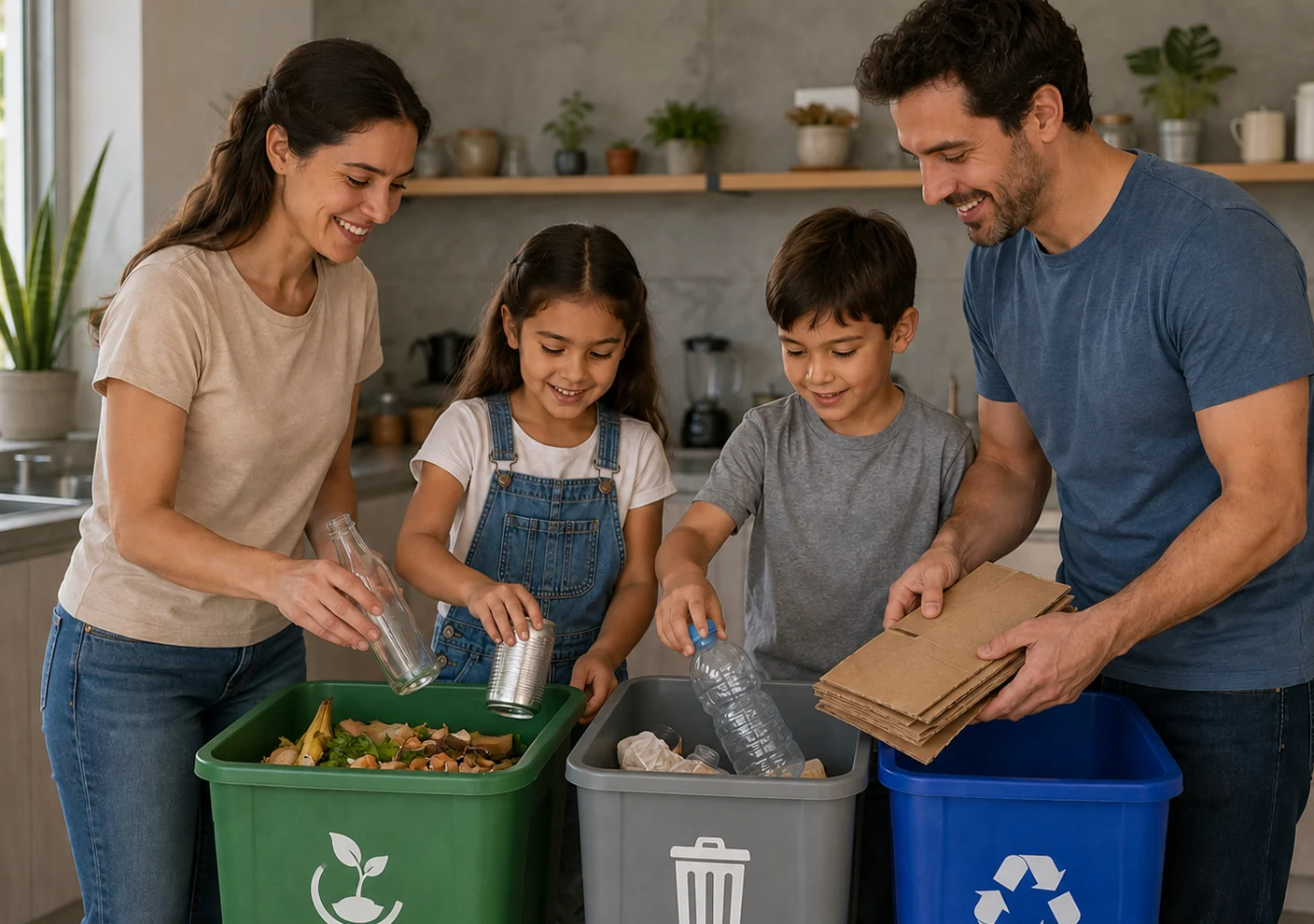
Properties that implement structured waste diversion programs frequently experience cleaner waste collection areas, improved resident participation, reduced contamination rates, and more efficient use of collection services. Proper sorting of organics, recyclables, and landfill materials helps prevent unnecessary hauling costs while reducing the frequency of service disruptions caused by overloaded containers.
There is also a growing expectation among residents, tenants, investors, and stakeholders that businesses demonstrate environmental responsibility. Sustainability initiatives are increasingly viewed as indicators of professional management and operational excellence. For multifamily communities, this can translate into stronger resident satisfaction, improved community perception, and a more attractive property image in competitive markets.
Additionally, diverting organic waste supports valuable recovery systems such as composting, anaerobic digestion, and food rescue programs. Rather than becoming a source of harmful methane emissions, organic materials can be transformed into compost, renewable energy, soil amendments, or resources that benefit local communities. California's waste reduction strategy is built around this circular approach, recognizing that waste should be treated as a resource whenever possible.
The Future of Waste Management Starts Today
The conversation around waste management has evolved dramatically over the past decade. What was once viewed as a simple disposal challenge is now recognized as a critical component of environmental stewardship, regulatory compliance, and responsible property management.
As landfill methane emissions continue to receive increased attention from regulators, environmental agencies, and the public, organizations that proactively reduce landfill waste will be better positioned to adapt to future requirements while maintaining efficient operations. The most successful properties are no longer waiting for violations, inspections, or resident complaints to trigger action. Instead, they are implementing proactive waste diversion strategies that create measurable environmental and operational benefits.
At Reuseo, we believe that effective waste management should be simple, compliant, and results-driven. By helping multifamily properties, commercial facilities, HOAs, and businesses improve waste diversion performance, reduce contamination, and support SB 1383 compliance, we help transform waste management from a recurring challenge into a sustainable operational advantage.
Reducing landfill waste is not simply about meeting today's regulations. It is about protecting assets, supporting communities, improving environmental outcomes, and building a cleaner future for the next generation.