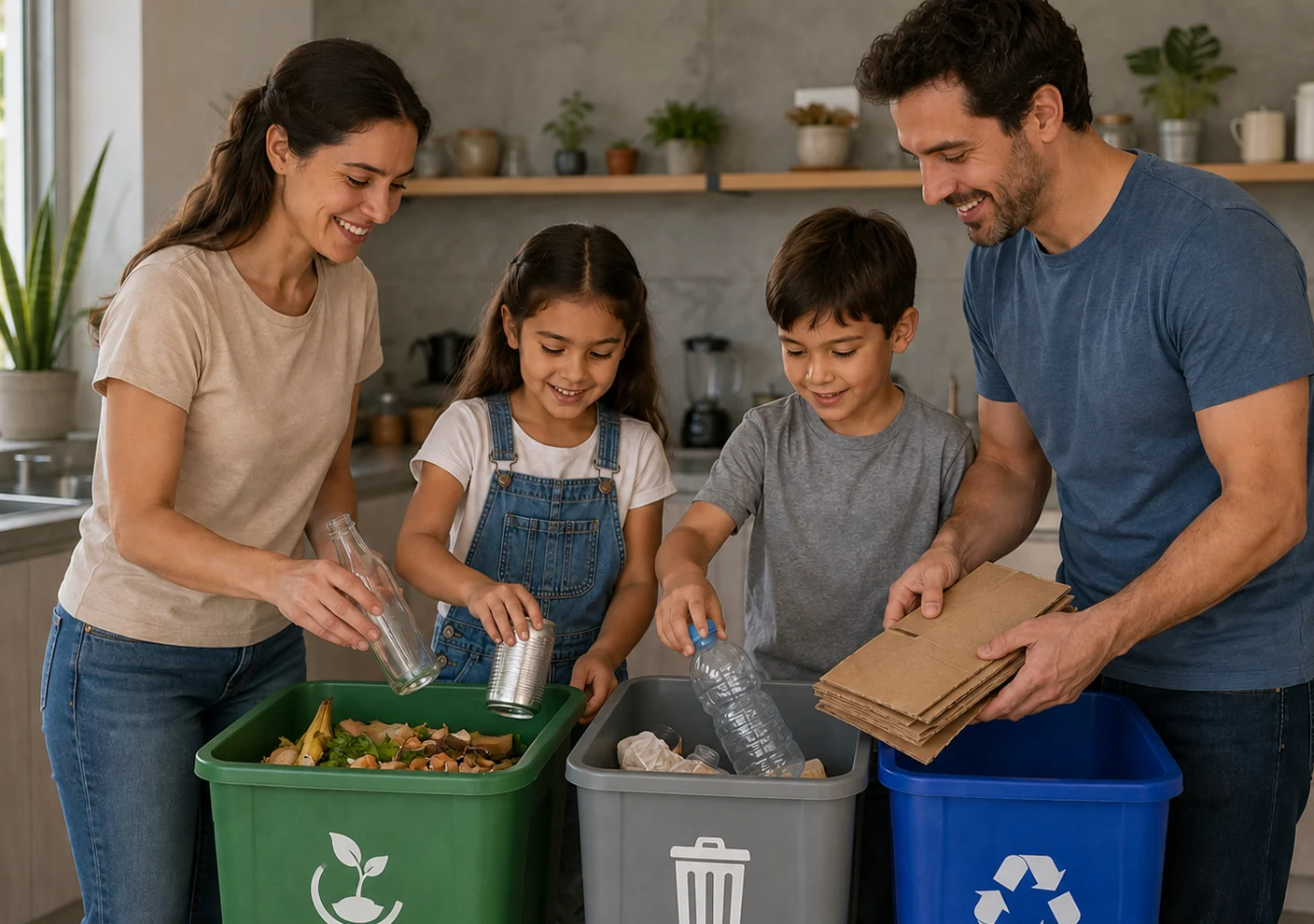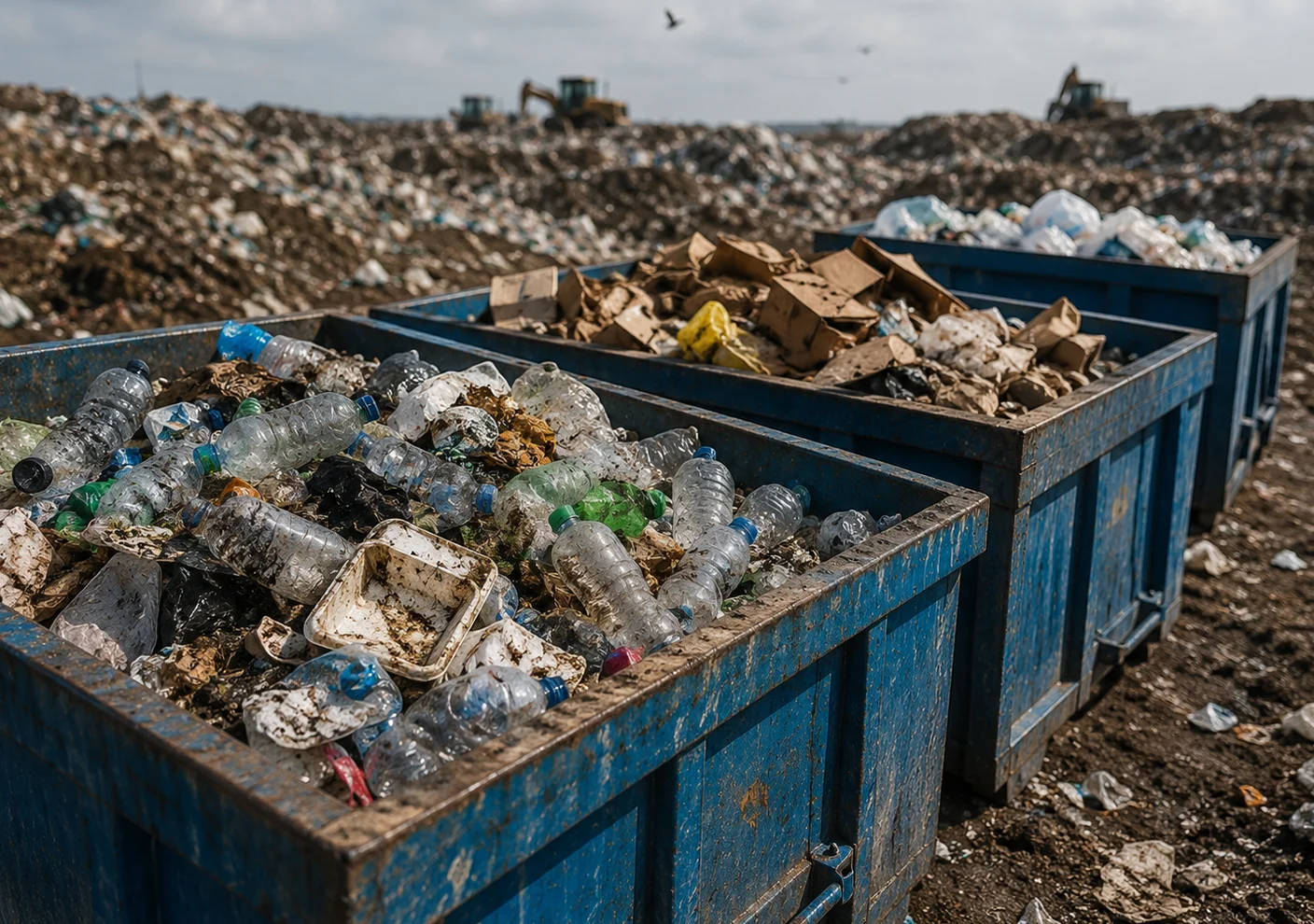
At first glance, placing a piece of cardboard, a food container, or a bag of trash into the wrong bin may seem like a minor mistake. However, when these small errors are repeated across hundreds of residents, employees, tenants, and commercial facilities, the environmental consequences become much larger than most people realize. Poor waste sorting is one of the biggest obstacles preventing communities from achieving effective recycling, composting, and waste diversion goals.
Every waste management system is designed to process materials differently. Recyclables are sent to recovery facilities, organic waste is directed toward composting or anaerobic digestion, and landfill waste is disposed of as a last resort. When materials are mixed incorrectly, entire loads can become contaminated, reducing the ability of recycling facilities and composting operations to recover valuable resources. In many cases, materials that could have been recycled or composted are ultimately sent to landfills simply because they were not sorted properly at the source.
This challenge has become increasingly important throughout California, where environmental regulations such as SB 1383 place a strong emphasis on waste diversion and organic waste recovery. The law was established to reduce the amount of organic material entering landfills and lower methane emissions associated with decomposing waste. State agencies estimate that organic materials account for roughly half of the material disposed of in California landfills, making proper waste sorting one of the most important environmental actions residents and businesses can take. According to California's SB 1383 program, the state is working toward a 75% reduction in organic waste disposal compared to 2014 levels. These goals simply cannot be achieved without consistent and accurate waste sorting practices.
The Environmental Consequences Hidden Inside Contaminated Waste Streams
One of the least visible consequences of poor waste sorting is the increase in greenhouse gas emissions generated by landfills. When organic materials such as food scraps, paper products, and yard waste are mistakenly placed in landfill containers, they begin to decompose without oxygen. This process creates methane, a greenhouse gas that is significantly more potent than carbon dioxide over the short term.
Recent EPA research found that municipal solid waste landfills remain one of the largest human-generated sources of methane emissions in the United States. Food waste alone accounts for approximately 24% of the material sent to landfills, yet it is responsible for an estimated 58% of fugitive methane emissions generated by those facilities. Researchers also concluded that diverting organic materials away from landfills is one of the most effective methods available for reducing methane emissions and supporting climate goals.
The problem extends beyond food waste. When recyclable materials become contaminated by liquids, food residue, or improperly discarded trash, they may no longer be suitable for recovery. As a result, additional virgin resources must be extracted to manufacture new products, increasing energy consumption, transportation requirements, and environmental impacts throughout the supply chain. What appears to be a simple sorting mistake can ultimately contribute to increased resource extraction, higher carbon emissions, and unnecessary landfill dependency.
Emerging studies and environmental monitoring efforts continue to show that landfill methane emissions may be significantly underestimated in some regions, reinforcing the importance of reducing the amount of recoverable material entering landfill systems in the first place.
How Poor Waste Sorting Creates Operational Challenges for Properties
For property managers, multifamily communities, HOAs, and commercial facilities, poor waste sorting creates more than environmental concerns. It also generates operational and financial challenges that can impact daily property management activities.
Contaminated containers often lead to overflowing bins, collection disruptions, odor complaints, pest activity, resident dissatisfaction, and increased hauling costs. Many waste service providers monitor contamination levels and may require corrective actions when recurring issues are identified. As California continues to strengthen waste diversion programs, proper sorting is becoming an increasingly important part of regulatory compliance and operational efficiency.
Industry discussions among property managers frequently highlight the challenges associated with educating residents and maintaining compliance with organic waste regulations. Community experiences show that contamination problems often stem from confusion about what belongs in each container rather than intentional non-compliance. This is why education, signage, and ongoing engagement remain essential components of successful waste diversion programs.
Properties that invest in clear waste management systems typically experience cleaner waste enclosures, improved resident participation, reduced contamination rates, and stronger compliance performance. In many cases, these operational improvements contribute directly to enhanced resident satisfaction and a more positive perception of the community as a whole.
Turning Better Waste Sorting Into Measurable Environmental Results
The good news is that solving waste sorting challenges does not require complex technology or major operational changes. In most cases, meaningful improvements begin with education, consistency, and clearly defined processes.
Simple actions such as separating food scraps correctly, placing recyclables in designated containers, flattening cardboard boxes, and following local collection guidelines can dramatically improve diversion performance. When these habits are adopted consistently across an entire property, the environmental impact becomes substantial. More recyclable materials are recovered, more organic waste is composted, fewer resources are wasted, and less methane is generated in landfills.
For property owners and asset managers, effective waste sorting also represents an opportunity to strengthen sustainability initiatives while supporting compliance with California regulations. As environmental expectations continue to rise among residents, investors, municipalities, and regulatory agencies, communities that proactively improve waste diversion practices will be better positioned for long-term success.
At Reuseo, we help multifamily communities, commercial properties, HOAs, and asset managers transform waste management from a recurring challenge into a measurable operational advantage. Through education, contamination reduction strategies, waste audits, compliance support, and ongoing program management, we help clients improve diversion rates while simplifying the complexities of modern waste regulations.
Because when waste is sorted correctly, the benefits extend far beyond cleaner containers. They create lower landfill dependency, reduced greenhouse gas emissions, improved compliance, better property operations, and a more sustainable future for every community we serve.