For many property managers, HOAs, multifamily communities, and commercial facilities, waste management is often viewed as a fixed operating expense—something that simply must be paid every month. However, what many organizations fail to realize is that a significant portion of waste-related costs are actually controllable. Small inefficiencies in waste handling, contamination, recycling participation, and container management can quietly increase operating expenses year after year without attracting much attention.
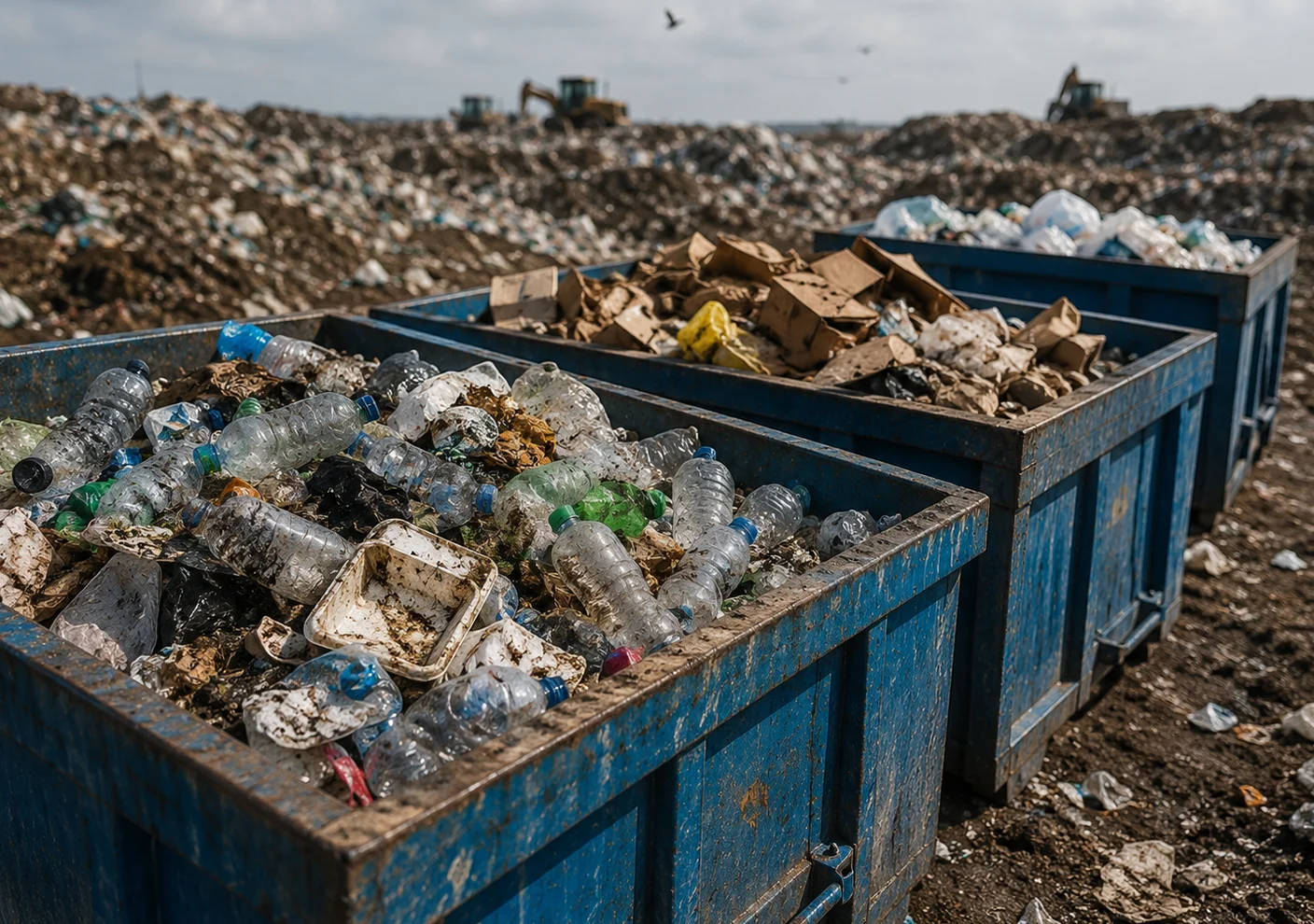
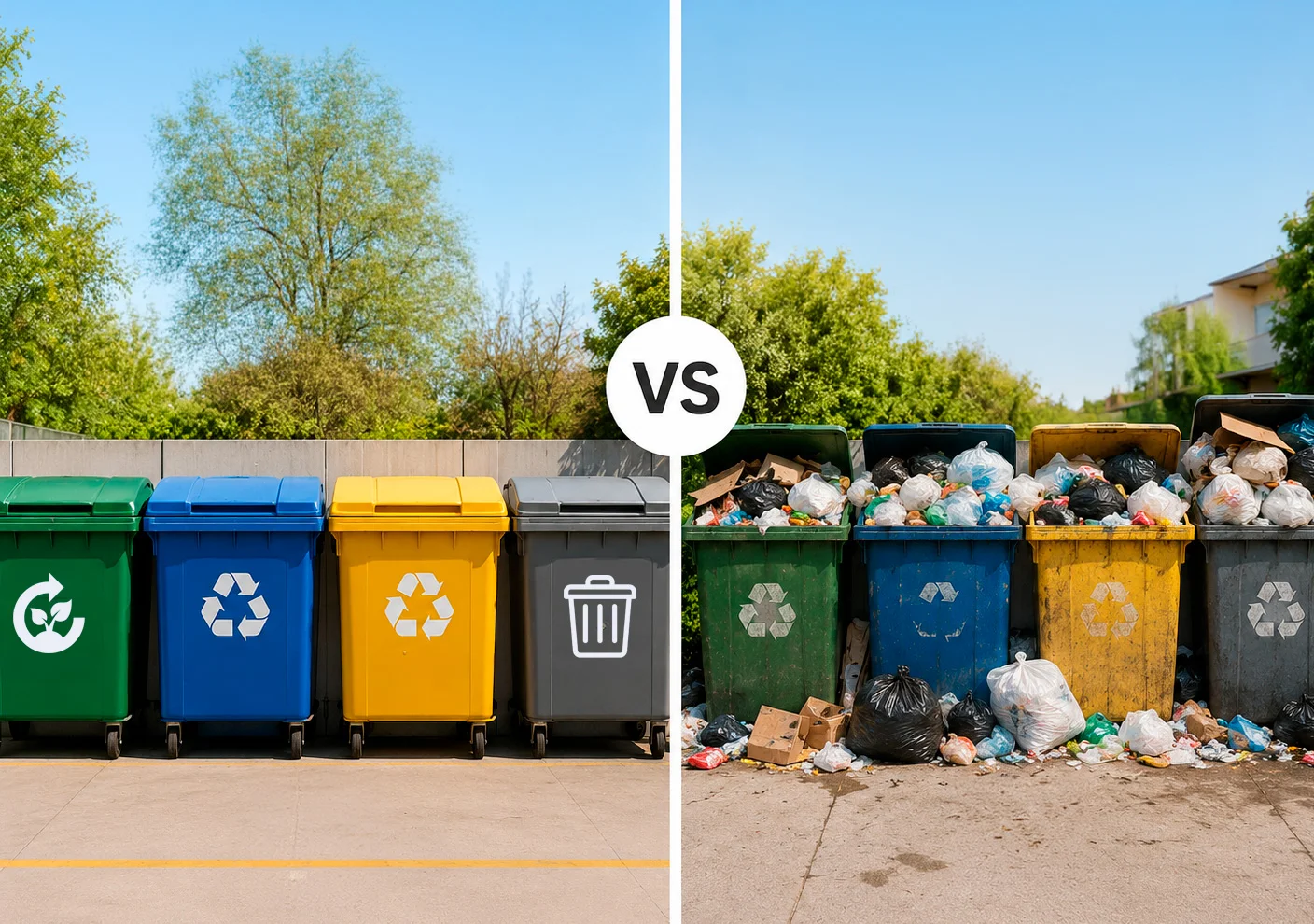
Overflowing dumpsters, improperly sorted materials, contaminated recycling containers, illegal dumping, excessive hauling frequency, and avoidable service calls all contribute to higher waste management costs. While each issue may appear minor on its own, together they create a cycle of inefficiency that affects both operational budgets and property performance. According to the U.S. Environmental Protection Agency (EPA), reducing waste generation and increasing recycling and composting efforts can help organizations lower disposal costs while conserving valuable resources and reducing environmental impacts. These benefits make waste reduction one of the most practical sustainability strategies available to property operators today.
In California, the financial importance of waste diversion has grown even further due to regulations such as SB 1383, which require the proper separation of organic waste and encourage greater recovery of recyclable materials. As waste regulations continue evolving, organizations that proactively improve waste management practices are often better positioned to avoid unnecessary expenses while maintaining compliance and operational efficiency.
Small Operational Changes Can Deliver Significant Savings
One of the most effective ways to reduce waste costs is by improving source separation. When residents, tenants, and employees correctly separate recyclables, organics, and landfill waste, properties can dramatically reduce contamination levels and improve diversion performance. This seemingly simple adjustment often leads to cleaner waste streams, fewer collection issues, and more efficient use of waste services.
Many properties discover that landfill containers are being used to dispose of large volumes of recyclable or compostable materials. Because landfill disposal is typically the most expensive waste stream, diverting those materials into recycling and organics programs can help optimize collection services and reduce unnecessary disposal expenses. Studies conducted by environmental agencies consistently show that waste audits often reveal significant opportunities for diversion that property managers may not initially recognize.
Another common cost-saving opportunity involves container right-sizing. Many communities continue paying for collection capacity that exceeds their actual needs, while others experience recurring overflow problems because containers are too small or collection schedules are not properly aligned with waste generation patterns. Regular waste audits and service evaluations help identify these inefficiencies, allowing properties to better match service levels with actual demand.
In addition to lowering direct hauling costs, effective waste diversion programs often reduce cleanup expenses associated with overflowing bins, scattered debris, contamination events, and resident complaints. These operational improvements may not always appear immediately on a waste invoice, but they contribute significantly to overall property efficiency and cost control.
Resident Education Is One of the Highest-Value Investments
One of the most overlooked waste reduction strategies is education. Many contamination problems are not caused by negligence but by confusion. Residents and tenants often want to participate correctly but may not fully understand what belongs in each container. Without clear guidance, even well-intentioned individuals can unintentionally contribute to contamination, overflow issues, and unnecessary disposal costs.
Simple educational initiatives such as signage, container labeling, recycling guides, onboarding materials, and periodic reminders can produce measurable improvements in participation rates. When people understand how waste systems work, they are far more likely to sort materials correctly and support community waste diversion goals.
This is particularly important in California's multifamily housing sector, where compliance with organic waste regulations requires active participation from residents. Communities that invest in ongoing education often experience cleaner waste enclosures, improved recycling performance, fewer contamination incidents, and greater overall compliance with local requirements.
Beyond operational benefits, education also strengthens resident engagement. Increasingly, residents appreciate living in communities that demonstrate environmental responsibility and sustainability leadership. Effective waste diversion programs create opportunities for residents to actively participate in environmental stewardship while helping the property operate more efficiently.
Turning Waste Reduction Into Long-Term Operational Success
The most successful waste management programs are not built around large capital investments or complicated technologies. Instead, they are built around consistency, accountability, and a commitment to continuous improvement. Small changes implemented consistently over time often generate the greatest long-term results.
When properties improve waste sorting, optimize container usage, reduce contamination, educate residents, and monitor waste generation trends, they create a more efficient and cost-effective operation. The financial benefits extend beyond lower hauling expenses to include improved compliance, reduced service disruptions, enhanced property appearance, and stronger resident satisfaction.
As sustainability expectations continue to rise among residents, investors, ownership groups, and regulatory agencies, waste reduction is becoming an increasingly important component of responsible property management. Organizations that view waste as a manageable operational system rather than an unavoidable expense are discovering new opportunities to improve both financial performance and environmental outcomes.
At Reuseo, we help multifamily communities, commercial properties, HOAs, and asset managers identify practical opportunities to reduce waste costs while improving operational efficiency. Through waste audits, contamination reduction strategies, SB 1383 compliance support, resident education programs, and ongoing waste management oversight, we help clients transform waste management from a recurring expense into a measurable business advantage.
Because reducing waste costs is not about cutting corners. It is about working smarter, improving efficiency, and creating sustainable systems that benefit both the property and the communities it serves. The reality is simple: small changes made today can create substantial financial and environmental returns for years to come.