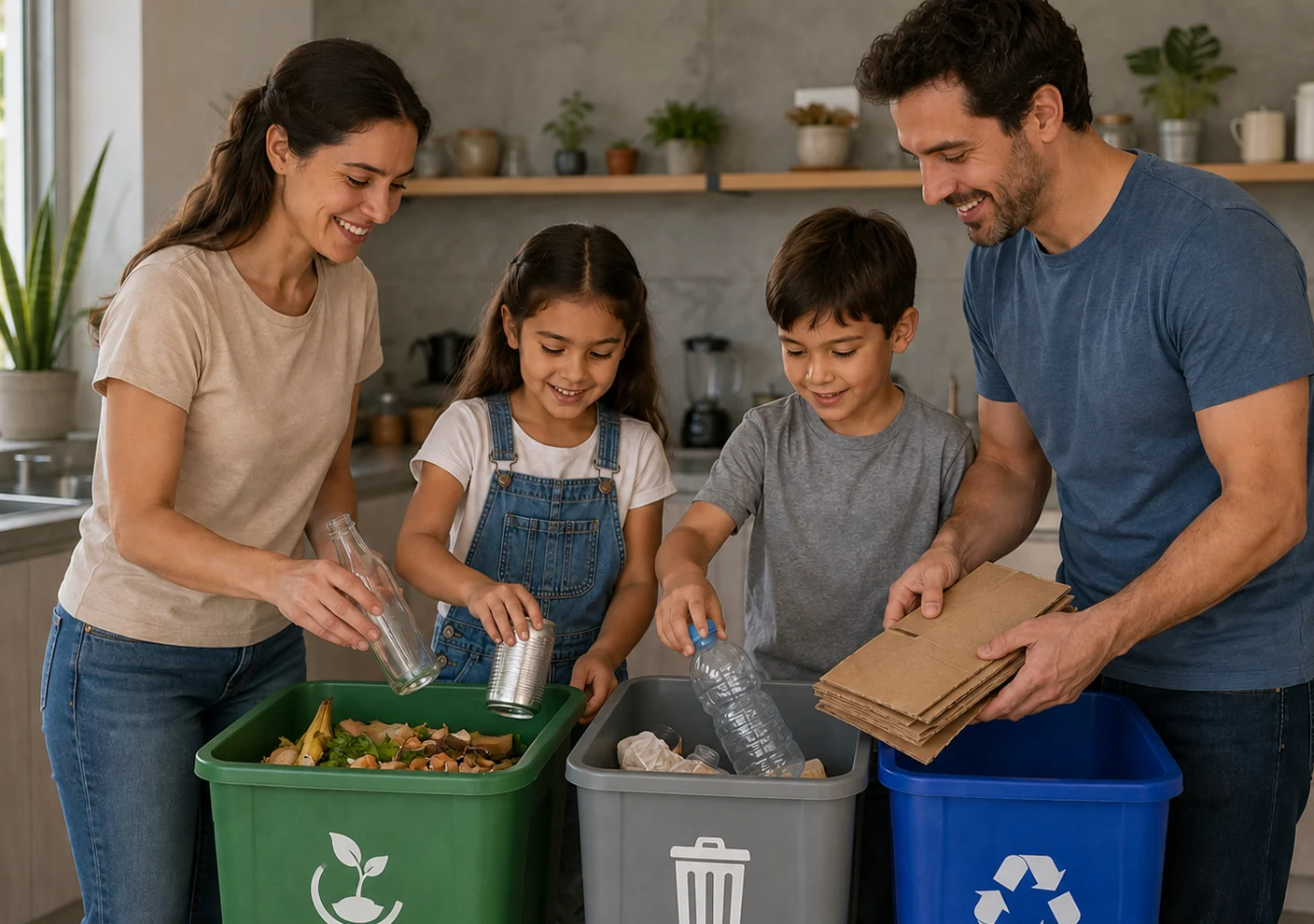
When people think about solving environmental challenges, they often imagine large government programs, massive infrastructure projects, or complex technological innovations. While those initiatives certainly play an important role, some of the most meaningful environmental improvements actually begin with small daily habits. The simple act of placing recyclable materials in the correct container, separating food waste from landfill trash, or taking a few extra seconds to avoid contamination can collectively create a significant impact when multiplied across thousands of residents, employees, and communities.
According to the U.S. Environmental Protection Agency (EPA), recycling and composting prevented more than 193 million metric tons of carbon dioxide equivalent emissions in a single year, while also conserving natural resources, reducing pollution, and decreasing the volume of waste sent to landfills. Recycling also contributes to economic growth, supporting hundreds of thousands of jobs throughout the United States. These numbers demonstrate an important reality: environmental progress is not driven by one major action, but by millions of consistent small decisions made every day.
For multifamily communities, commercial properties, HOAs, and managed assets throughout California, this concept is especially important. Property managers are increasingly discovering that improving recycling participation does not require dramatic operational changes. Often, the most effective results come from creating simple habits that are easy for residents and tenants to understand and repeat. When recycling programs become part of everyday behavior, waste diversion rates improve naturally while contamination levels begin to decline.
Why Proper Recycling Habits Matter for Businesses and Properties
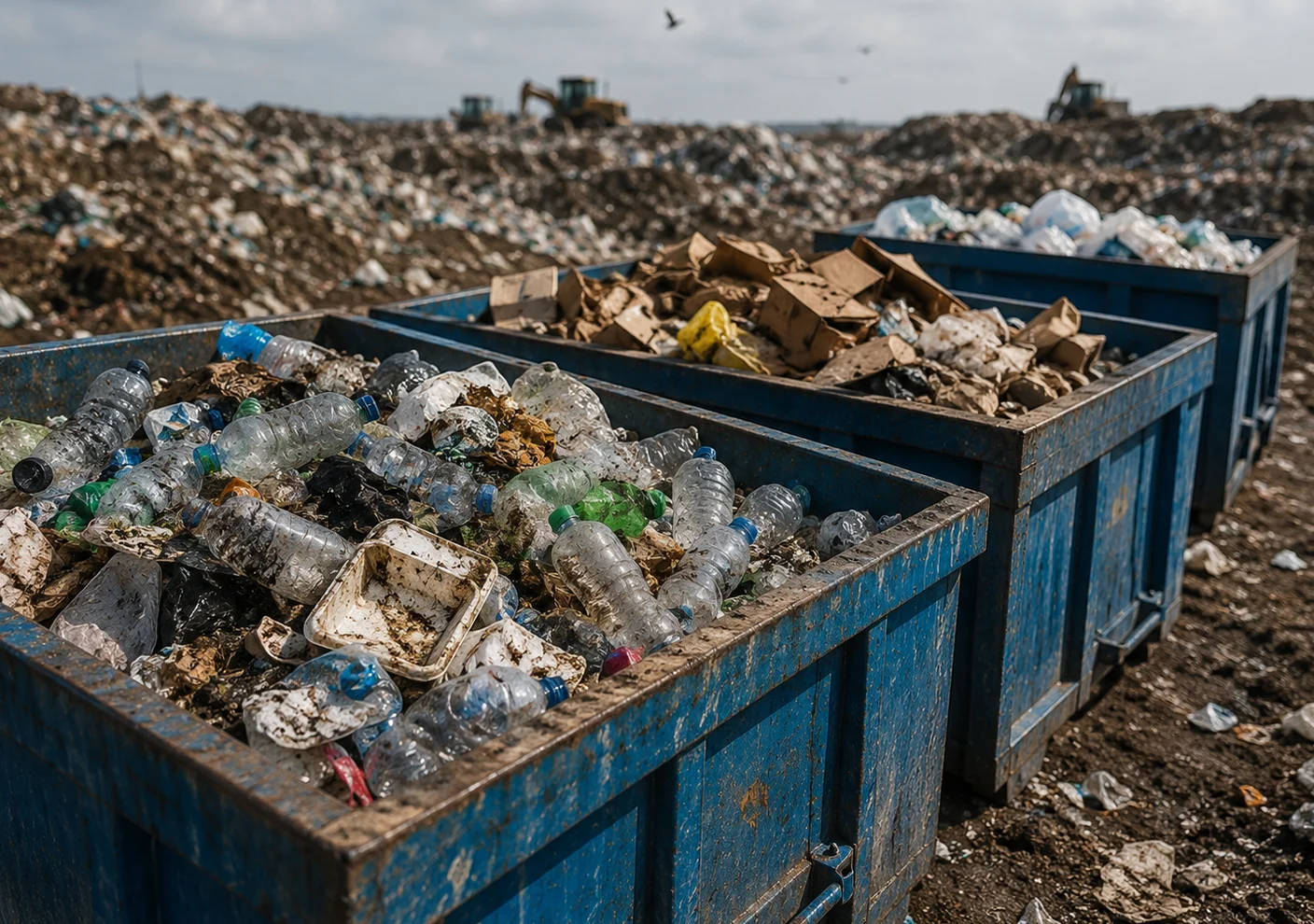
One of the biggest misconceptions about recycling is that individual actions do not matter. In reality, recycling systems depend on participation at the source. A single plastic bag placed incorrectly in a recycling container can contaminate an entire load, while food residue left inside recyclable containers may reduce the effectiveness of sorting operations. Industry discussions and waste management professionals consistently identify contamination as one of the largest barriers to successful recycling programs. Communities that educate residents on proper sorting practices often achieve significantly better diversion outcomes.
The environmental benefits are equally important. Recycling helps conserve raw materials such as timber, water, metals, and minerals while reducing the energy required to manufacture new products. Every cardboard box, aluminum can, glass container, or paper product that is properly recycled helps reduce the need for extracting additional natural resources. The EPA also identifies recycling as a key strategy for reducing greenhouse gas emissions and minimizing landfill dependency.
For property owners and asset managers, these small recycling habits produce operational benefits as well. Cleaner waste streams can reduce contamination-related service issues, improve compliance with local waste regulations, decrease overflow situations, and create more organized collection areas. In competitive housing and commercial markets, visible sustainability efforts also contribute to a stronger community image and demonstrate responsible property management practices.
The Habits That Deliver the Greatest Results
The most successful recycling programs are rarely the most complicated. Instead, they focus on creating simple behaviors that people can consistently follow. Separating recyclable materials correctly, flattening cardboard boxes before disposal, rinsing food containers when appropriate, and placing organic waste in designated composting bins are among the easiest actions residents can adopt.
Food waste separation is particularly important. The EPA identifies food waste as one of the largest categories of material sent to landfills, where it generates methane emissions during decomposition. By diverting food scraps and organic materials into composting programs, communities can significantly reduce landfill impacts while creating valuable compost products that support agriculture and landscaping applications. Composting is often described as nature's recycling system because it transforms organic materials into useful resources rather than waste.
Another highly effective habit is embracing the "Reduce, Reuse, Recycle" hierarchy. Environmental experts consistently emphasize that reducing waste generation and reusing products whenever possible are even more beneficial than recycling alone. Choosing reusable containers, reducing unnecessary packaging, reusing materials, and recycling correctly creates a comprehensive approach that delivers measurable environmental benefits while lowering overall waste generation.
Building a Culture of Sustainability Through Everyday Actions
The future of environmental stewardship will not be determined solely by legislation or technological advancements. It will also be shaped by the everyday choices made by residents, tenants, employees, and property managers. The communities that achieve the greatest sustainability success are often those that make environmental responsibility simple, visible, and accessible to everyone.
For multifamily properties and commercial facilities, creating a culture of recycling starts with education, clear signage, convenient infrastructure, and ongoing engagement. When residents understand what belongs in each container and why their participation matters, recycling becomes less of an obligation and more of a shared community effort. Over time, these small habits become standard behavior, creating lasting operational and environmental improvements.
At Reuseo, we understand that successful waste diversion programs are built on consistency, education, and practical solutions. Our approach helps property managers, HOAs, multifamily communities, and commercial operators transform everyday recycling habits into measurable environmental results. By reducing contamination, increasing diversion rates, supporting SB 1383 compliance, and simplifying waste management operations, we help clients turn small actions into meaningful long-term impact.
Because when thousands of people make better recycling decisions every day, the result is far greater than a cleaner waste enclosure. It becomes cleaner communities, lower environmental impact, stronger compliance performance, and a more sustainable future for everyone.