For many property managers, the term waste audit sounds intimidating. However, a waste audit is simply a structured review of how waste is being handled within a property. Its purpose is to evaluate whether trash, recycling, and organic waste are being properly separated, collected, and managed according to local regulations and waste management best practices.
In California, waste audits have become increasingly important due to regulations such as SB 1383, which requires businesses and multifamily properties to properly separate recyclable and organic materials from landfill waste. The law was introduced as part of the state's effort to reduce greenhouse gas emissions by diverting organic waste from landfills, where it generates methane, one of the most potent greenhouse gases affecting climate change. California's goal is to reduce organic waste disposal by 75% compared to 2014 levels and recover edible food that would otherwise be discarded.
A waste audit is not necessarily about finding violations. In many cases, it is designed to identify opportunities for improvement, reduce contamination, optimize waste operations, and ensure compliance before issues become costly. For property owners and managers, it provides valuable insight into how efficiently their waste systems are functioning and whether corrective actions may be needed.
What Inspectors and Auditors Typically Review
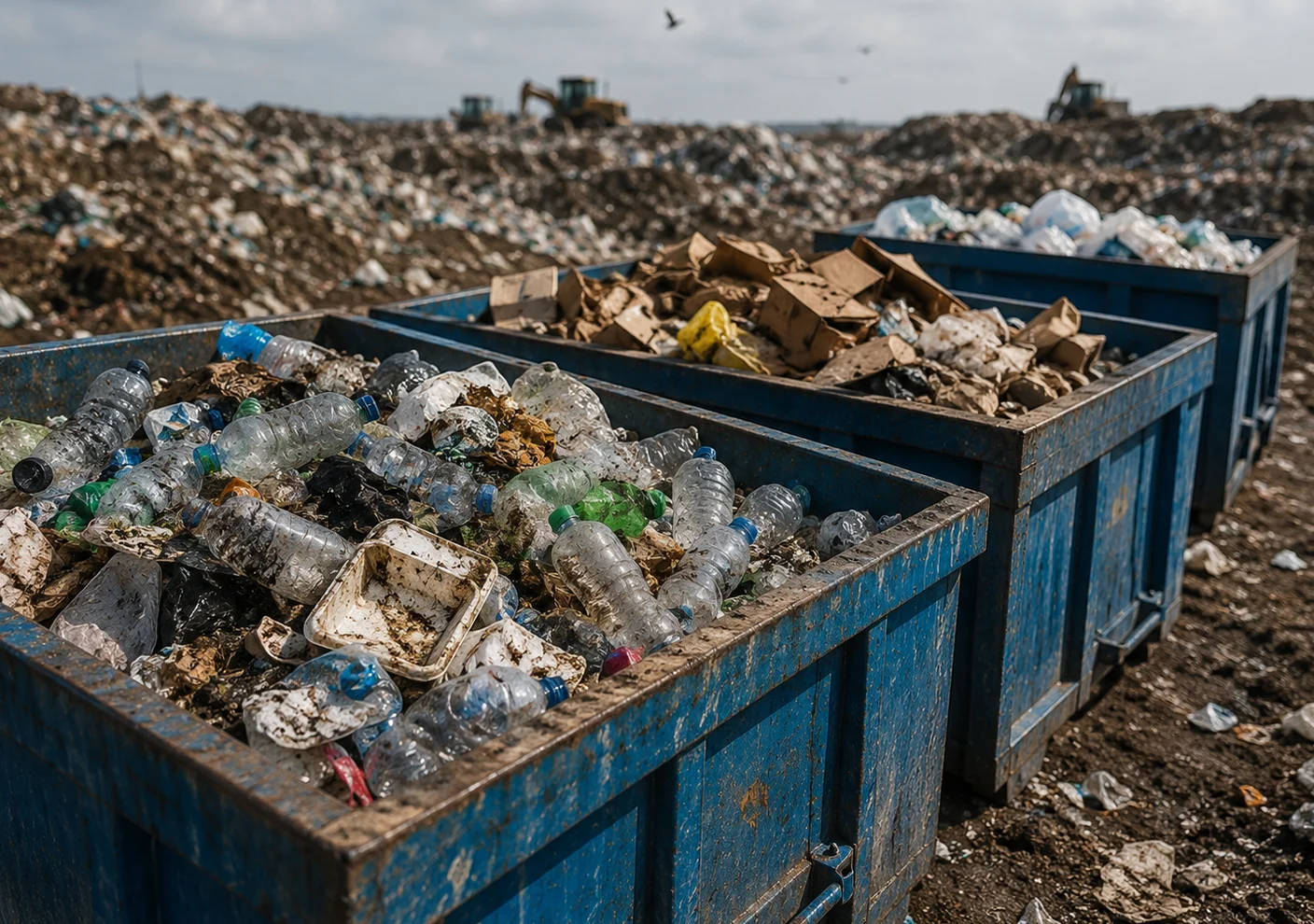
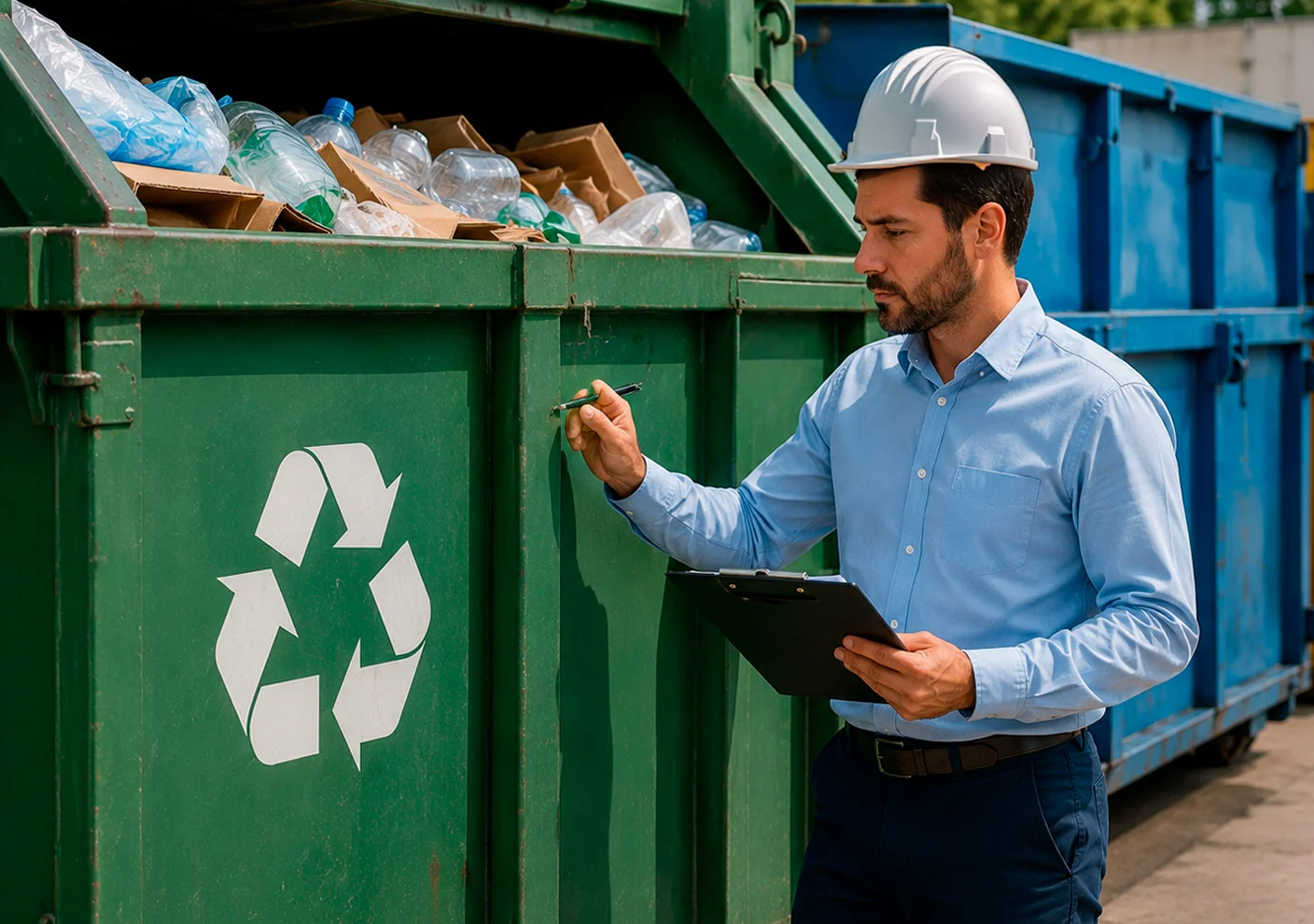
During a waste audit, inspectors, waste haulers, consultants, or compliance specialists typically examine several aspects of a property's waste management operation. One of the first areas reviewed is waste separation. Auditors evaluate whether recyclable materials, compostable waste, and landfill trash are being placed in the correct containers. Even small amounts of contamination can create larger operational challenges, increase hauling costs, and potentially trigger warnings or enforcement actions.
Container availability and accessibility are also important. Regulations often require properties to provide clearly identified containers for garbage, recycling, and organics. Auditors may verify that containers are properly labeled, correctly positioned, and available to residents, employees, or tenants. In addition, signage and educational materials may be reviewed to determine whether occupants have been adequately informed about proper waste sorting procedures.
In some jurisdictions, route audits and container inspections are conducted periodically. These inspections involve visual reviews of waste containers to identify contamination and assess whether materials are being sorted correctly. When contamination is detected, properties may receive notices, educational guidance, or corrective recommendations. Persistent issues can result in increased oversight and enforcement.
Beyond compliance, auditors often evaluate the overall condition of waste areas. Cleanliness, accessibility, overflow prevention, and operational organization all contribute to the effectiveness of a property's waste management system.
Common Problems Found During Waste Audits
The majority of waste audit findings are not caused by major operational failures. Instead, they usually result from small issues that accumulate over time. One of the most common problems is contamination between waste streams. Recyclable materials placed in trash containers, food waste mixed with recycling, or compostable items sent to landfill can all reduce diversion rates and create compliance concerns.
Another frequent issue is insufficient resident education. Many multifamily communities provide the correct containers but fail to consistently communicate sorting guidelines. As tenants move in and out, confusion often increases, leading to contamination and operational inefficiencies.
Overflowing waste rooms, improperly sized containers, inadequate signage, and inconsistent monitoring are also common findings. In some cases, property managers are surprised to discover that they are paying for larger waste service levels than necessary simply because waste streams are not being properly managed.
The good news is that most of these challenges can be corrected through operational improvements, routine monitoring, and proactive waste management support. A successful waste program is rarely the result of a single action. It is usually the outcome of consistent processes, ongoing oversight, and clear communication.
Turning Waste Audits Into Operational Advantages
The most successful properties do not view waste audits as inspections to fear. They view them as opportunities to improve performance.
A well-managed waste operation can help reduce contamination, improve resident satisfaction, support sustainability goals, and lower overall waste costs. More importantly, it helps property managers maintain compliance with evolving California regulations while reducing the risk of warnings, fines, and operational disruptions. Local jurisdictions are increasingly required to monitor compliance and may conduct inspections to verify proper waste sorting and collection practices. Non-compliance can lead to corrective actions, citations, and financial penalties depending on the severity and duration of the violation.
For multifamily communities, commercial properties, and mixed-use developments, waste audits provide valuable information about what is working and what needs improvement. When supported by proper waste sorting, waste area maintenance, contamination monitoring, and operational oversight, audits become a powerful management tool rather than an administrative burden.
At Reuseo, we believe that effective waste management is not only about keeping waste areas clean. It is about creating organized, compliant, and efficient systems that support long-term operational success. By taking a proactive approach to waste audits, property managers can protect their properties, improve performance, and build more sustainable communities for the future.