In multifamily communities, apartment complexes, HOAs, and commercial properties, resident satisfaction is influenced by much more than amenities, landscaping, or building appearance. One of the most overlooked factors affecting the resident experience is the condition of waste collection areas. While dumpsters, recycling stations, and waste enclosures may not be the first features prospective residents notice, they often become one of the most frequently used spaces within a property. When these areas are clean, organized, and properly maintained, they contribute significantly to the perception of a well-managed community.
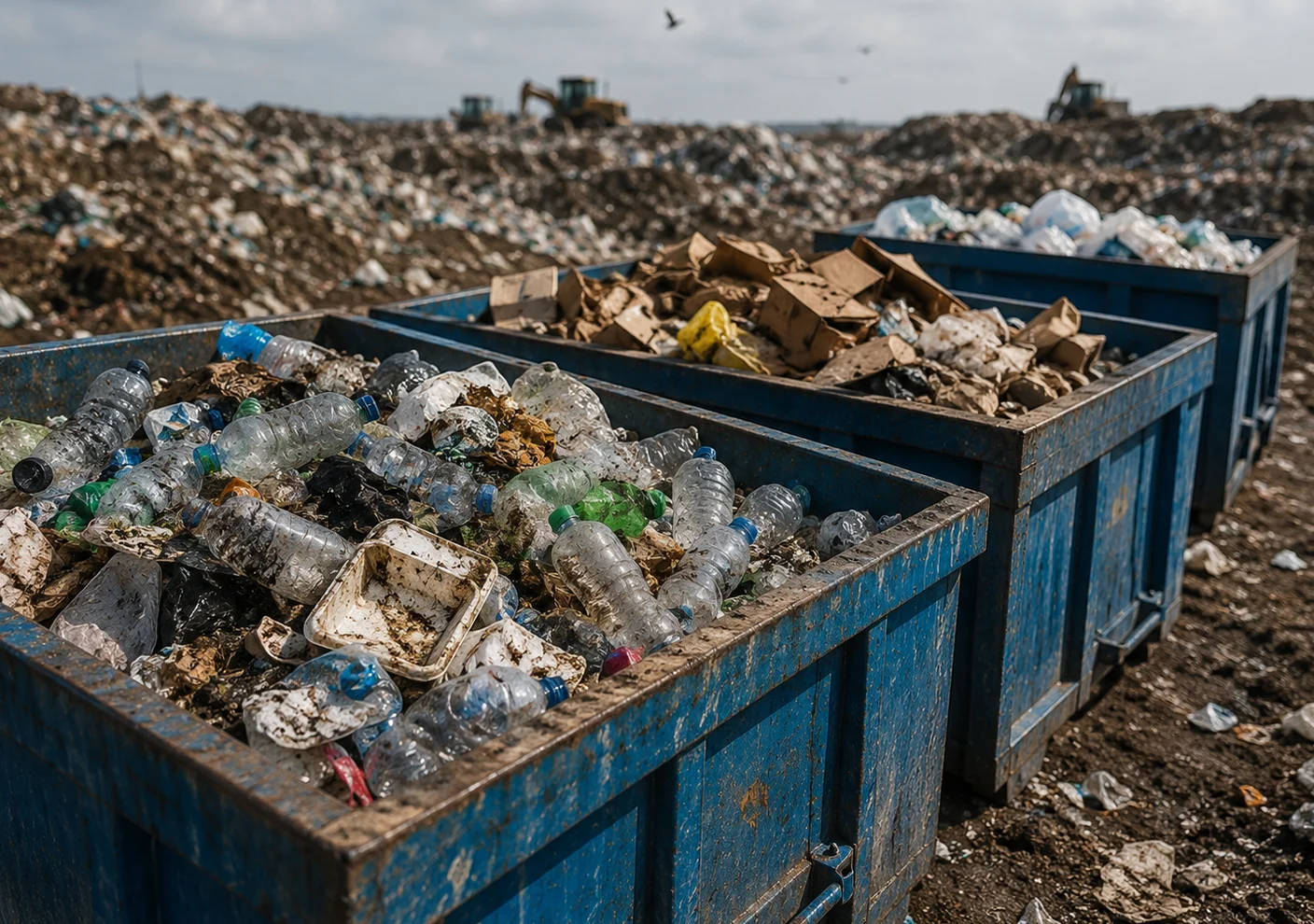
On the other hand, overflowing containers, scattered debris, unpleasant odors, and visible contamination quickly create a negative impression. Residents often associate these conditions with poor property management, even when the underlying issue is improper waste disposal behavior rather than operational neglect. Research examining resident satisfaction with waste management services consistently identifies factors such as collection frequency, cleanliness, education, and waste system organization as major contributors to overall satisfaction levels. Studies have also shown that effective waste management infrastructure directly influences how residents perceive the quality of their living environment.
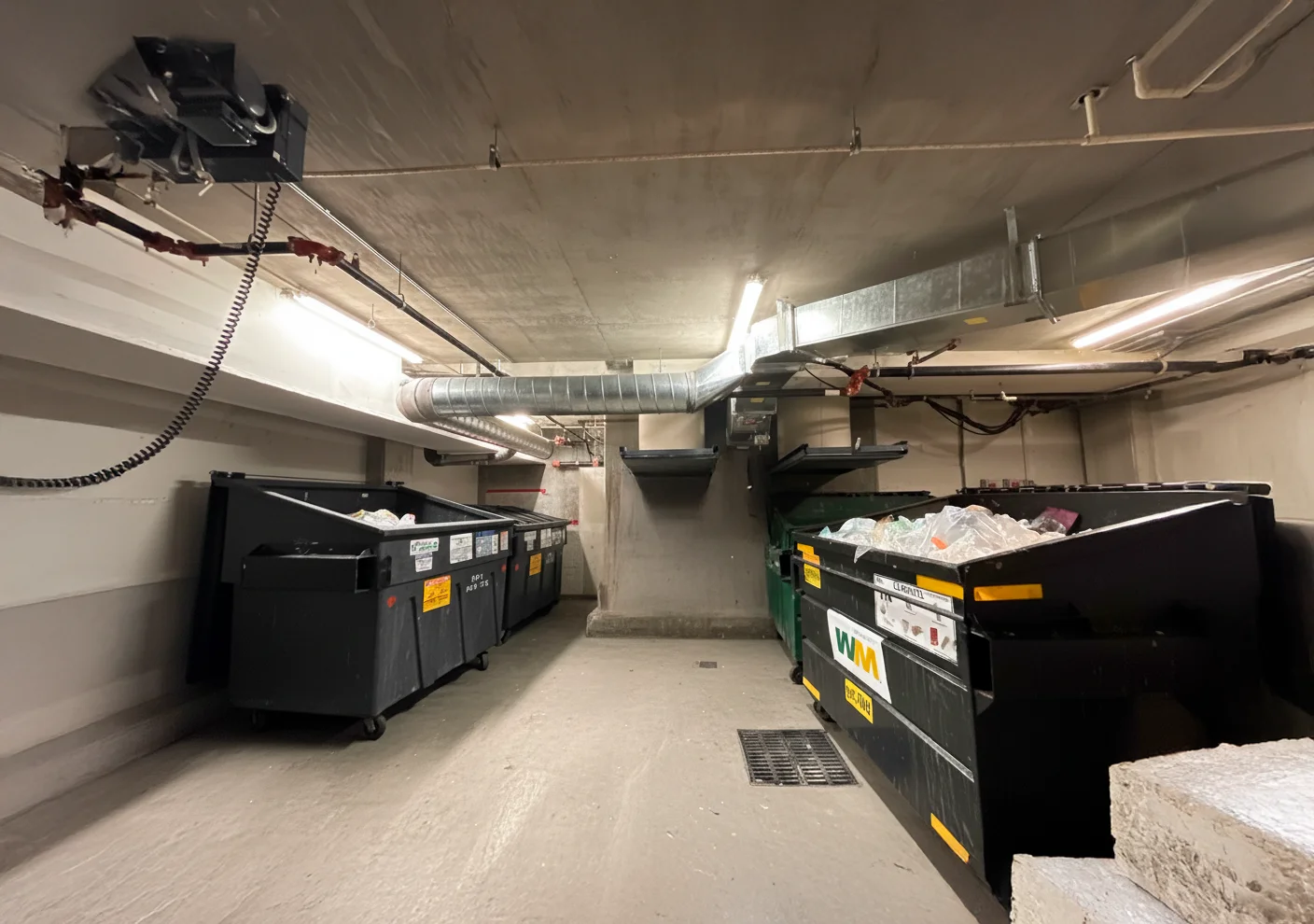
For property managers and asset owners, this creates an important opportunity. Maintaining clean waste areas is not simply a housekeeping task; it is an operational strategy that directly supports resident retention, community reputation, and overall property value. In today's competitive housing market, every aspect of the resident experience matters, including the spaces that are often hidden behind gates, fences, or enclosure walls.
Clean Waste Areas Create Healthier and More Comfortable Communities
One of the most immediate benefits of maintaining clean waste areas is the reduction of common nuisances that negatively affect residents. Improperly managed waste can attract rodents, insects, flies, and other pests while creating odors that spread throughout surrounding areas. These issues can quickly generate complaints and create frustration among residents who expect a safe and comfortable living environment.
The U.S. Environmental Protection Agency has long identified proper waste handling as an essential component of pest prevention. When waste is stored correctly, containers are maintained, and collection areas remain clean, properties significantly reduce conditions that attract unwanted pests and contribute to sanitation concerns.
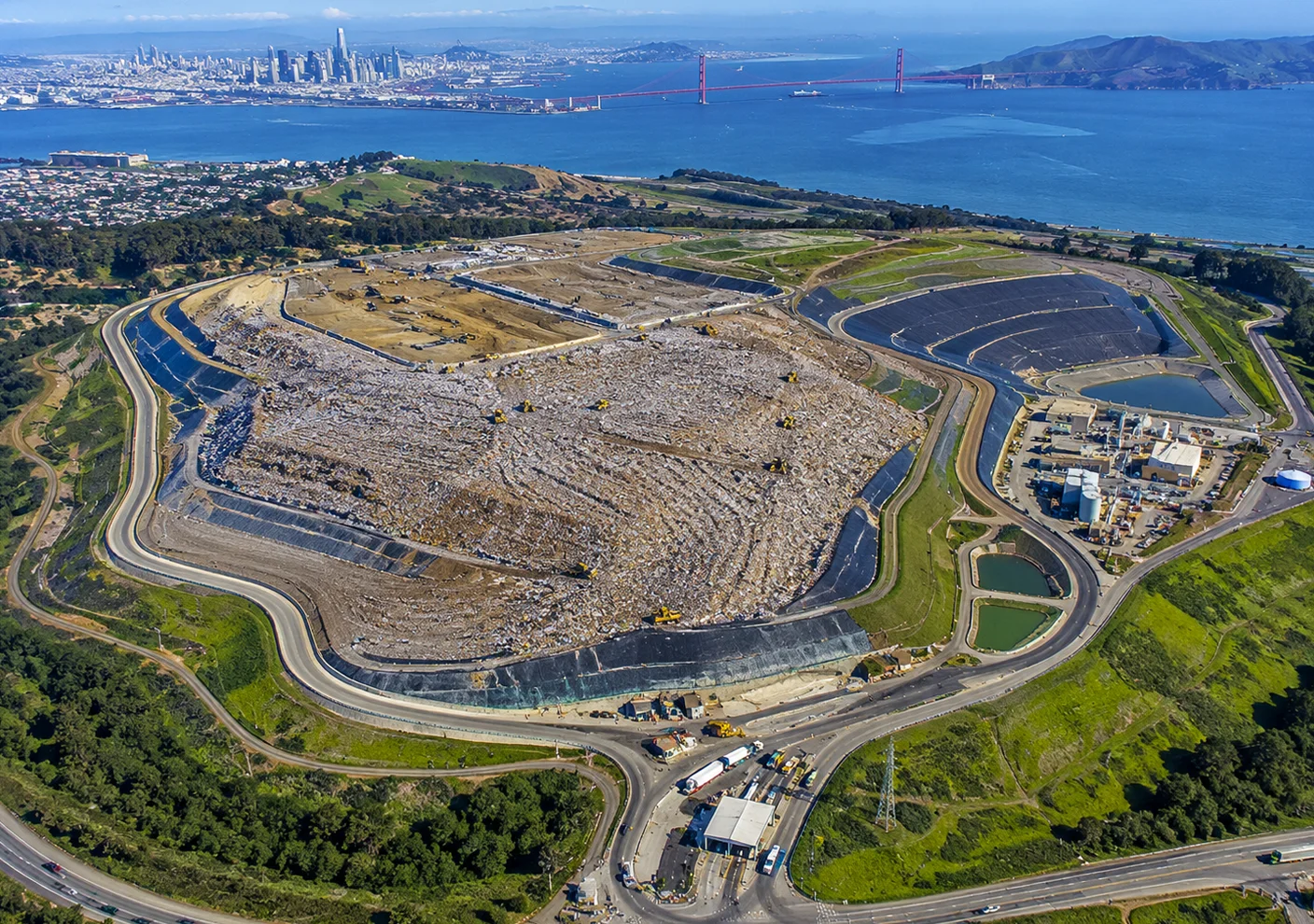
Odor management is equally important. Across residential communities, unpleasant smells are among the most common waste-related complaints. Recent environmental monitoring efforts in California have demonstrated how odor issues can generate thousands of community complaints when waste management systems are not properly controlled. While landfill-scale situations differ from residential properties, the principle remains the same: residents are highly sensitive to odors because they directly affect daily quality of life.
Clean waste areas help eliminate these concerns before they become resident frustrations. They create a sense of order, improve perceptions of cleanliness throughout the property, and contribute to a healthier environment for everyone living or working within the community.
Better Waste Management Improves the Resident Experience
Resident satisfaction is often built through a series of small daily interactions. Every time a resident disposes of trash, recycling, or organic waste, they are interacting with the property's waste management system. If that experience is convenient, clean, and easy to understand, it reinforces a positive perception of the community. If the experience is unpleasant, confusing, or unsanitary, dissatisfaction gradually increases.
Research focused on multifamily housing environments has found that waste disposal convenience plays a major role in resident perception. Studies involving apartment communities show that residents are significantly more satisfied when waste systems are easy to use, well organized, and supported by clear communication. In contrast, poorly maintained waste areas frequently become sources of complaints, conflicts, and negative community feedback.
This is particularly important as California communities continue implementing stronger recycling and organic waste diversion programs under regulations such as SB 1383. Residents are increasingly asked to separate recyclables, organics, and landfill waste correctly. Without proper signage, education, and maintenance, contamination rates increase and waste areas become more difficult to manage. The EPA continues to identify source separation as one of the most effective strategies for improving diversion performance and maintaining successful recycling programs.
Properties that invest in resident education, contamination reduction efforts, and organized waste collection systems often experience higher participation rates, cleaner enclosures, and fewer service-related complaints. These operational improvements may seem small individually, but together they create a noticeably better resident experience.
Clean Waste Areas Support Property Value and Long-Term Success
Beyond resident satisfaction, clean waste areas contribute directly to the long-term performance of a property. A well-maintained waste enclosure reflects professionalism, operational efficiency, and attention to detail. Prospective residents, investors, ownership groups, and asset managers increasingly evaluate sustainability and operational standards as part of their overall assessment of a community.
Modern waste management is no longer limited to collecting trash. It has evolved into a critical component of environmental compliance, sustainability initiatives, operational efficiency, and resident engagement. Communities that proactively maintain clean waste areas are often better positioned to reduce contamination, improve recycling performance, support SB 1383 compliance, and avoid costly service disruptions. At the same time, they create a more attractive environment that residents are proud to call home.
At Reuseo, we understand that waste management affects far more than collection schedules. It influences resident perception, community satisfaction, environmental performance, and property operations. Through waste audits, contamination reduction programs, educational outreach, compliance support, and ongoing operational management, we help multifamily communities, HOAs, and commercial properties transform waste areas into clean, organized, and efficient spaces.
Because a clean waste area is never just about waste. It is a reflection of the entire community. And when residents see a property that is clean, organized, and professionally managed, satisfaction naturally follows.