Recycling programs have become an essential part of waste management across California. However, many property managers, building owners, and facility operators are unaware that improper waste sorting can lead to more than environmental concerns it can also result in compliance issues, increased operational costs, and financial penalties.
As state and local regulations continue to evolve, recycling contamination has become one of the most common challenges facing multifamily communities, commercial properties, and mixed-use developments. Understanding what contamination is, how it occurs, and how to prevent it can help properties improve waste operations while avoiding unnecessary risks.
What Is Recycling Contamination?
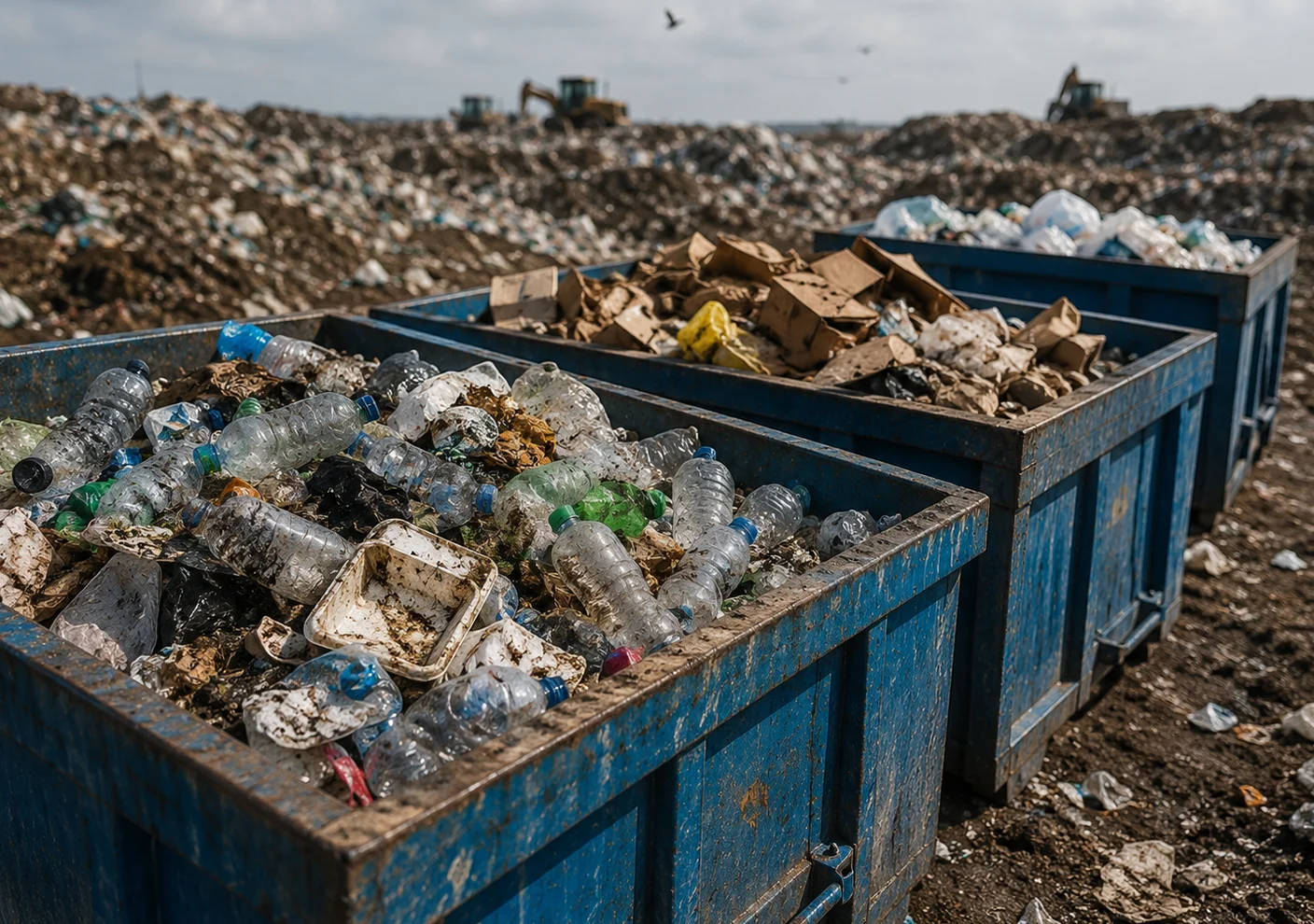
Recycling contamination occurs when non-recyclable materials are placed inside recycling containers or when recyclable materials are mixed with the wrong waste stream. Common examples include food waste inside recycling bins, plastic bags mixed with paper products, and general trash disposed of in recycling containers.
While these mistakes may seem minor, contamination can significantly affect the recycling process. When contamination levels exceed acceptable thresholds, entire loads of recyclable materials may be redirected to landfills, increasing disposal costs and reducing the effectiveness of sustainability programs.
For multifamily properties, contamination often occurs because residents are unsure where materials belong, signage is unclear, or waste areas lack proper oversight. Over time, these issues can create operational challenges that impact both compliance and costs.
Why Contamination Can Lead to Fines
California has implemented some of the most ambitious environmental regulations in the United States. Programs such as SB 1383 require businesses, multifamily communities, and commercial properties to properly separate recyclable materials, organic waste, and landfill waste.
When contamination levels remain consistently high, waste audits may identify non-compliance with local recycling requirements. In some jurisdictions, repeated violations can result in warnings, corrective actions, or financial penalties.
For property managers, the consequences often extend beyond direct fines. Contamination can increase hauling expenses, generate additional service charges, and create operational inefficiencies that affect the overall performance of the property. The reality is simple: poor waste sorting creates avoidable risks. Maintaining proper separation practices is no longer only an environmental responsibility it has become an operational necessity.
The Operational Impact on Multifamily Properties
Recycling contamination affects more than compliance reports. It can influence resident satisfaction, property appearance, maintenance workloads, and vendor relationships.
Overflowing containers, improperly sorted materials, and cluttered waste areas can quickly become a source of resident complaints. Maintenance teams often spend additional time addressing issues that could have been prevented through better waste management practices.
In multifamily communities, where hundreds of residents may use the same waste facilities, small mistakes can quickly multiply. A single contaminated container can affect an entire collection cycle and create additional work for property staff.
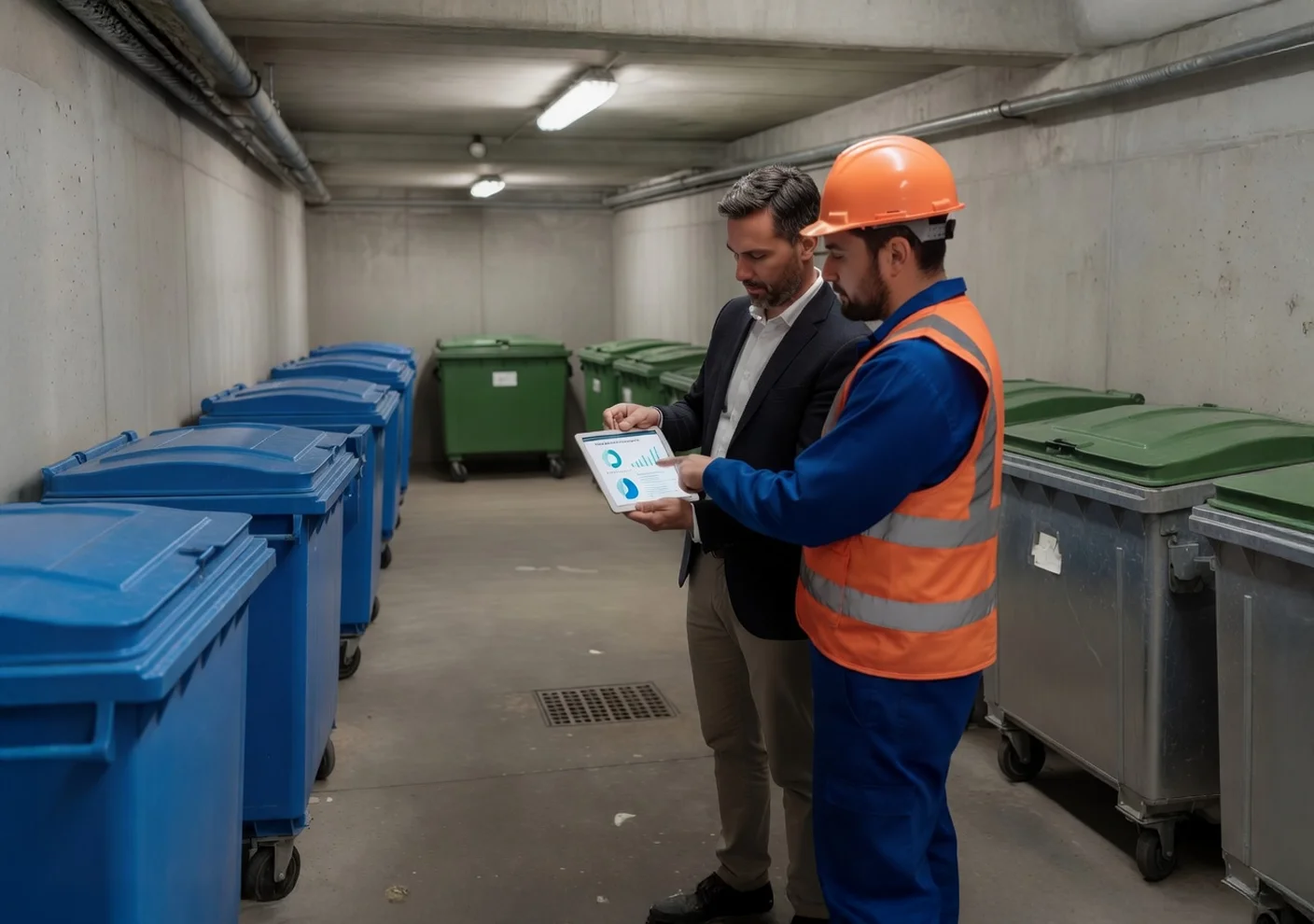
This is why many property managers are shifting from reactive waste management to proactive operational strategies. By monitoring contamination levels, improving waste area organization, and educating residents, properties can reduce recurring problems before they become costly issues.
How Properties Can Reduce Contamination
Reducing contamination starts with creating a system that makes proper waste separation easy and consistent.
Clear signage, organized waste areas, and regular monitoring are among the most effective ways to improve recycling performance. Properties that establish clear processes typically experience fewer contamination issues and more efficient waste operations.
On-site sorting services can also provide an additional layer of quality control. By identifying incorrectly disposed materials before collection, properties can improve diversion rates, reduce landfill waste, and support compliance with local regulations.
Equally important is maintaining clean and organized waste areas. Residents are more likely to follow recycling guidelines when waste facilities are well maintained and easy to understand.
Ultimately, successful waste management is not achieved through a single initiative. It is the result of consistent operational practices, ongoing oversight, and a commitment to continuous improvement.
Turning Compliance Into Opportunity
For many property managers, waste management is viewed primarily as a compliance requirement. However, effective waste operations can also create measurable business benefits.
Reducing contamination helps lower operational costs, improve resident satisfaction, support sustainability goals, and reduce the likelihood of regulatory issues. It also demonstrates a commitment to responsible property management in a market where environmental performance is becoming increasingly important.
At Reuseo, we help multifamily communities and commercial properties improve waste operations through on-site sorting, waste area maintenance, compliance support, and operational oversight. Our goal is simple: help properties maintain cleaner waste areas, reduce contamination, and operate with confidence in an increasingly regulated environment.
By addressing contamination before it becomes a problem, properties can transform waste management from a recurring challenge into a long-term operational advantage.